“SOFTWARE DOES NOT REPLACE PROFESSIONAL KNOWLEDGE”
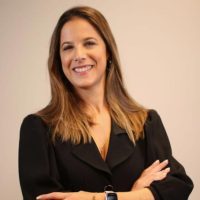
Orthodontics is changing with digitalisation, aligners and new planning tools. Prof. Selma Pascoal, Chair of the Organising Committee of the 32nd SPO Congress, argues that innovation cannot replace clinical judgement.
Technology has entered virtually every stage of orthodontic treatment, from diagnosis and planning to the production of devices and patient monitoring. However, the growing number of digital tools also brings new demands for professionals. Knowing how to distinguish a technological possibility from a genuine clinical advantage is, for Selma Pascoal, one of the challenges currently shaping Orthodontics.
This is also the reflection running through the 32nd Congress of the Portuguese Society of Orthodontics (SPO), taking place from 22 to 24 October in Vila Nova de Gaia, under the theme “New Paths, the Same Essence.” In this interview, the Chair of the Organising Committee previews a programme that brings together biomechanics, aligners, digital workflows and clinical cases, while keeping the scientific and biological foundations of the speciality firmly in focus.
The theme of this edition is “New Paths, the Same Essence”. What inspired this choice?
Orthodontics is going through a period of profound transformation, driven by technological development, digitalisation and new approaches to diagnosis and treatment. However, regardless of the tools we use, the essence of our profession remains unchanged: judgement, scientific rigour, clinical insight, ethics and commitment to each patient.
The theme “New Paths, the Same Essence” emerged precisely from this reflection. We want to look towards the future and embrace innovation without losing sight of the fundamental principles that underpin excellence in orthodontic practice.
What are the main objectives of the 32nd SPO Congress?
The main objective is to provide a space for professional development, reflection and knowledge sharing, capable of bringing scientific evidence closer to everyday clinical practice.
We want to provide participants with relevant and applicable knowledge, encourage discussion of different therapeutic approaches and promote critical analysis of the new directions in Orthodontics. We also aim to strengthen connections between professionals, academics, researchers, young dentists, students and industry partners.
More than simply transmitting knowledge, we want the congress to raise questions, inspire new perspectives and contribute to increasingly differentiated and conscious clinical practice.
What new features can participants expect to find in this edition?
This edition has been designed to provide a dynamic, engaging and participatory scientific experience. In addition to the lectures, there will be opportunities for the presentation and discussion of clinical cases, allowing participants to analyse different therapeutic strategies and decisions.
One of the formats we aim to highlight is the “Clinical Case Marathon”, designed to promote objective, dynamic presentations focused on solving specific situations. We will also have a “Special Session”, which will provide an opportunity to explore a particular topic in greater depth and within a more intensive setting.
The choice of Baron’s Hall, at Real Companhia Velha in Vila Nova de Gaia, is also intended to contribute to a distinctive experience, bringing together science, history, identity and social interaction.
What will be the main highlights of the scientific programme?
The scientific programme will seek to address key issues in contemporary Orthodontics, combining fundamental biological and clinical principles with the possibilities offered by new technologies.
Topics related to diagnosis and treatment planning, treatment predictability, biomechanics, aligners, the integration of digital workflows and the management of clinical cases of varying levels of complexity will be discussed.
I would also highlight the presence of nationally and internationally recognised speakers, as well as the clinical case-based sessions, which will help bring scientific content closer to the challenges professionals encounter every day.
How was the scientific programme structured to meet the needs of professionals at different stages of their careers?
We sought to build a comprehensive and balanced programme. For those at an early stage of their careers, there will be content designed to consolidate knowledge, develop clinical reasoning and understand the principles that should guide diagnosis and therapeutic decision-making.
For more experienced professionals, the programme will include current topics, differentiated approaches, complex cases and discussion sessions that allow protocols to be questioned and clinical strategies to be explored in greater depth.
This complementarity is essential: a congress should provide answers, but it should also stimulate reflection, regardless of each participant’s level of experience.
How was the selection of national and international speakers approached?
The fundamental criteria for selecting speakers were scientific excellence, clinical experience, communication skills and the relevance of their topics to current clinical practice.
We sought to bring together different schools of thought and complementary perspectives, with the aim of promoting a plural and enriching discussion. The combination of national and international speakers allows us to recognise the quality of Orthodontics being developed in Portugal while also bringing experiences and trends from other contexts to the congress.
Rather than simply bringing together names, we sought to build a coherent programme in which each presentation contributes to the overall narrative of the congress.
What trends and emerging areas of Orthodontics will be highlighted during the 32nd Congress?
The increasing personalisation of treatments, the evolution of aligners, new digital diagnostic and treatment-planning resources, the integration of different technologies and the pursuit of greater treatment predictability will be among the areas in focus.
It will also be important to reflect on the careful use of innovation. Not everything that is technologically possible necessarily represents a clinical improvement. Technology must serve diagnosis, biomechanics and the individual needs of the patient.
The future of Orthodontics will depend precisely on our ability to integrate innovation, scientific knowledge and clinical experience.
How is digital transformation impacting Orthodontics, and how will this be reflected in the scientific programme?
Digital transformation is present in virtually every stage of orthodontic treatment: information gathering, diagnosis, simulation, planning, device production, monitoring and communication with the patient.
This evolution has brought greater efficiency and new possibilities, but also challenges. A visualisation of a digital simulation should not be confused with biological predictability, and software does not replace professional knowledge.
The programme will reflect this reality through discussion of digital tools and their clinical applicability, but also their limitations. We want to promote an informed, critical and responsible use of technology.
What do you consider to be the greatest challenge currently facing orthodontists?
One of the greatest challenges is keeping up with extremely rapid technological development without losing clinical control of treatment. We have more and more tools, information and solutions available, but this requires an increased ability to select and interpret them.
It is necessary to distinguish innovation with genuine clinical value from passing trends or proposals excessively influenced by marketing. Professionals must continue to master diagnosis, biomechanics and biological principles, keeping the patient at the centre of every decision.
In a context of increasing automation, preserving critical thinking and clinical responsibility is probably one of our greatest challenges.
What opportunities does this congress offer young dentists and students interested in Orthodontics?
The congress offers young professionals and students the opportunity to engage directly with different areas of Orthodontics and with professionals of recognised national and international standing.
It is also an opportunity to develop clinical reasoning, learn about new approaches, participate in scientific discussions and gain a better understanding of the demands of this field. The sessions dedicated to the presentation of research and clinical cases also allow them to showcase their work and receive input from more experienced colleagues.
Above all, we want them to feel integrated into the orthodontic community and motivated to build a career based on knowledge, ethics and continuous learning.
What opportunities for learning, sharing experiences and networking does the 32nd Congress provide participants?
Scientific congresses have a dimension that goes far beyond the lectures. Learning also takes place through questions, the discussion of a case, the exchange of experiences during a break or contact with colleagues facing similar challenges.
The 32nd Congress has been designed to encourage these encounters in a welcoming and close environment. The scientific sessions, exhibition area, social events and congress dinner will provide valuable opportunities to create and strengthen professional relationships, establish collaborations and share experiences.
It is often through these informal interactions that new ideas, scientific projects and long-lasting professional relationships emerge.
What role does the SPO continue to play in promoting scientific excellence and the development of Orthodontics in Portugal?
The Portuguese Society of Orthodontics has played a fundamental role for more than 30 years in continuing professional education, the dissemination of scientific knowledge and bringing together professionals involved in Orthodontics.
The SPO promotes debate, encourages professional development and creates opportunities for contact with different schools and clinical realities. It also has a responsibility to contribute to evidence-based, ethically responsible practice focused on the quality of patient care.
At a time of such rapid change, this role becomes even more relevant. The SPO should continue to be a reference point, a space for reflection and a unifying force for the Portuguese orthodontic community.
What message would you like to leave with colleagues who are still considering attending the 32nd SPO Congress?
I would like to invite them to join us from 22 to 24 October in Vila Nova de Gaia for three days of science, knowledge sharing and social interaction.
We have prepared this congress with great dedication, seeking to create a current, diverse and clinically relevant programme. It will be an opportunity to update knowledge, engage with different perspectives, reconnect with colleagues and establish new professional relationships.
I believe everyone will return to their clinical practice with new ideas, new questions and renewed motivation. The congress is built for the orthodontic community and will only be truly complete with everyone’s presence and participation.
As President, what personal mark would you like to leave on this edition?
I would like this edition to be remembered for its ability to reconcile innovation and identity, fully reflecting the theme “New Paths, the Same Essence.”
My personal mark will, above all, be that of an open, dynamic and inclusive congress, capable of bringing together different generations of orthodontists while simultaneously valuing scientific evidence, clinical experience and the human dimension of our profession.
I hope to leave an event that inspires participants, encourages knowledge sharing and strengthens the sense of belonging to a community of dental professionals passionate about Orthodontics.
If you had to summarise the 32nd SPO Congress in a single sentence, what would it be?
The 32nd SPO Congress will be a meeting point between innovation and experience, where we will explore new paths without losing sight of the scientific, clinical and human essence of Orthodontics.
Prof. Dr. Selma Pascoal
President of the Organising Committee of the 32nd SPO Congress.
32nd SPO Congress
22–24 October 2026
Vila Nova de Gaia, Portugal